Case Study
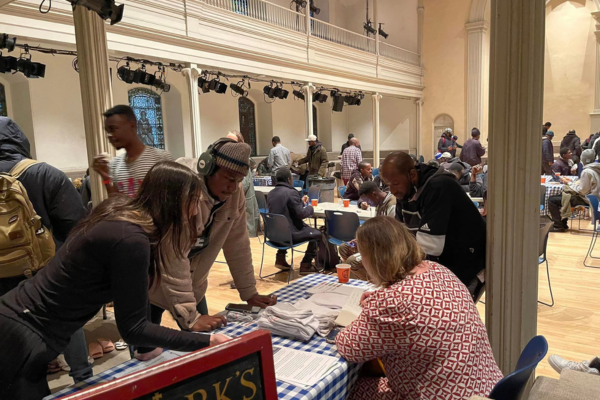
St. Mark's Church in-the-Bowery in the East Village has a rich history dating back to its founding in 1799 and is the oldest site of continuous worship in Manhattan.
At our heart, we embody a set of core values rooted in radical welcome, inclusion, hospitality, and justice. We embrace the biblical call to "welcome the stranger” and strive to be a place that offers refuge and belonging to those who may feel marginalized or excluded.
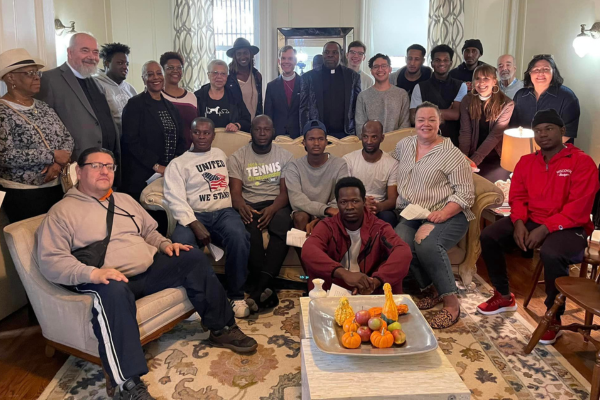
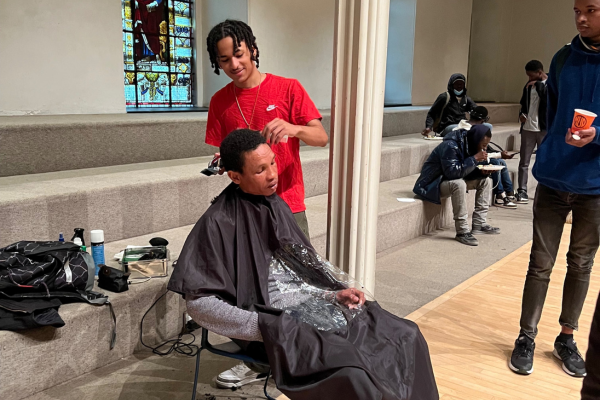
Our recent efforts in establishing the Welcome Center embody the mission of St. Mark's Church. Every week, we welcome more than 100 migrants and asylum seekers, offering them far more than just a hot meal. We offer a place where they can feel they belong. Through fellowship and a range of essential services—including health clinics, shelter advocacy, banking access, school enrollment for youth, and even haircuts provided by migrant barbers—we have built deep relationships that uplift and strengthen us.
More recently, we opened our first home for asylum seekers. This space provides six months of free housing, giving residents a chance to decompress, live in community, and find their footing. It’s a space where they can save money and prepare for the next stage of their journey toward independent living.
St. Mark's has also been a hub for arts and culture. Notable figures such as the poet Kahlil Gibran and dancers Isadora Duncan and Martha Graham have been associated with the church. Today, the church houses organizations such as the Poetry Project and Danspace Project, fostering a vibrant artistic community.
The church is committed to following Jesus in all endeavors, believing in the transformative power of God's love to impact lives and the broader world.
Community outreach and building strong local relationships are essential for churches today. In a time when many churches worry about declining attendance and the notion that people are "losing their religion," we have an opportunity to shift our focus. A smaller, more deeply committed church is not a crisis, but a calling and a chance to reimagine what it truly means to be "church."
Instead of measuring success by numbers in the pews, we can embrace a vision of the church as a force for love and justice in the world. By engaging in community outreach, we follow Christ’s example more closely, demonstrating compassion and care for our neighbors. This isn’t about proselytizing or seeking converts: It’s about living out our faith through tangible acts of service. Like the old Sunday school song reminds us, "They will know we are Christians by our love."
Community outreach allows us to build a wider table, where everyone—regardless of background, belief, or circumstance—has a seat. When we foster relationships and create spaces where people feel seen, valued, and supported, we transform the church from a static institution into a dynamic, life-giving presence in the world. A thriving church is one rooted not in maintaining tradition for its own sake, but in a profound commitment to love, justice, and radical hospitality.
1. Collaborate with local faith leaders and organizations
Connect with other faith leaders—especially those who are not of the same faith—and with community organizations to share ideas and resources. Be curious about what’s happening around you. Pay attention to the challenges your neighbors face. Ask questions and engage in conversations.
One practical way to start is by offering your church as a resource. For example, we’ve opened our building for community meetings, creating a space where people can come together to discuss issues and share information.
When the church listens and responds to the real needs of the community, it becomes a vital presence, embodying love and compassion in action.
2. Create regular community-focused events
Intentionally establish a rhythm of regular and recurring events that bring the community together. Rummage sales, holiday concerts, and participating in things like Pride Day can draw in people who might not otherwise step into a church. Organize events around holidays that are open to the entire community. Host activities like Easter egg hunts, Halloween parties, or a St. Francis Day blessing of the animals. Lean into the arts by offering your space for poetry readings, music performances, or theater productions. Offering events like these fosters a sense of shared ownership and positions your church as a hub for creativity and connection.
3. Engage the Community in Social Outreach Efforts
Effective outreach goes beyond church membership: It involves rallying people around a shared cause. For example, at our Welcome Center most volunteers aren’t members of St. Mark’s, but they are deeply committed to our mission of welcoming and supporting migrants. Identify local charities and advocacy organizations and invite them to collaborate on projects. Doing so strengthens your church’s social impact and builds meaningful relationships with individuals who share your values of love and service.
This work serves to remind us of the historic and vital role we have always played as a leader in the Diocese of New York and in the broader community. Over the years, we’ve led the way on critical issues—from racial justice and reparations to championing equality for Black and Brown individuals within the Episcopal Church, to raising awareness during the AIDS crisis, and so much more. While this kind of work is deeply embedded in our DNA, sometimes you need a moment of clarity or a defining moment, like the migrant crisis, to remember your role and the impact you’ve had, and continue to have.
Through our outreach efforts, we’ve built profound bonds of love and friendship with our newest neighbors. Walking alongside migrants and asylum seekers has been a privilege, one that has enriched our lives in ways we couldn’t have imagined. These relationships have not only strengthened our sense of purpose but have also sparked deep conversations within our congregation about who we are and where we want to focus our energy and resources.
What’s been especially powerful is seeing how everyone brings unique gifts and resources to the table. Whether it’s preparing and serving meals, forming partnerships with local high schools to enroll our youth, or building critical relationships with organizations like Legal Aid, NY Presbyterian Hospital, East Village Neighbors Who Care (migrant advocacy group), EV Loves (a food distribution organization), the City of New York, and youth shelters like Covenant House, each contribution makes a tangible difference. These collaborations have not only allowed us to meet immediate needs but also to create long-term pathways for success and stability for those we serve.
This work has given both members of St. Mark’s and our broader community a chance to belong to something greater than themselves. Together, we’re building a collective effort that reflects the best of who we are, united in purpose and love. The lives we’ve touched through these efforts have also touched us, making us more compassionate, thoughtful, and aware. Our community is stronger and more deeply committed to living out our mission of love, justice, and radical hospitality. This is what it means to be church in its truest form.