Case Study
St. Stephen’s is located in the town of Sebastopol, California (population 7,000) in the Diocese of Northern California, about an hour north of San Francisco. Our church property is 4 acres of land located on the edge of town, just as the city becomes country.
We strive to live our lives as an inclusive congregation modeling the breadth of God’s love. In an area that is culturally post-Christendom, much of our work is in welcoming, teaching, and living a way of following Christ that presents an alternative to many of the harmful and damaging ways folks have encountered church and Christianity in the past. We seek to create a space where God’s love is felt and known and old wounds might begin to heal. The three most important parts of our life together that contribute to this work are: our creative and expansive worship which incorporates liturgies and music from a wide variety of sources, our care for our land, and a genuine sweet Spirit of embracing newcomers and being willing to allow ourselves to be changed by those who join us.
We believe that we need not be on the same spiritual journey in order to journey together. So while our Sunday worshiping community is indeed centered on Jesus, many other parts of our life together include folks who are not part of our worshipping community but who we still consider to be part of our church community. We consider building deep and meaningful relationships and involving those outside our worshiping community to be an essential part of our life together.
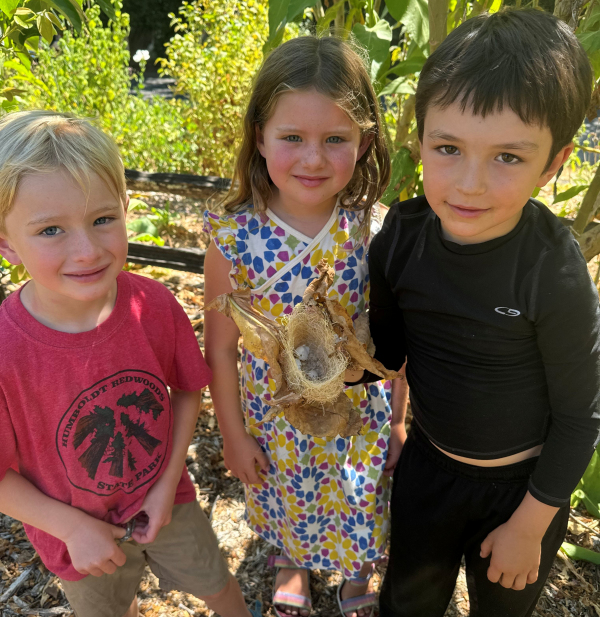
Our ministry as it relates to creation care begins with our land statement: “Beloved community, the people of St. Stephen’s Episcopal Church welcome you. The land you are standing on is part of the ancestral homelands of the Southern Pomo and Costal Miwok Peoples. We acknowledge the sacredness of the Earth, the land, the air, the water, living creatures and all of creation. May each breath we take remind us of the blessing of this life, as well as the profound kinship we share with all creation. As we begin to restore our relationship to the land, the earth recovers and re-awakens. As we tend to the land, the land tends to us. May your experience on this land be a blessing to you. All are welcome here. This is sacred ground.”
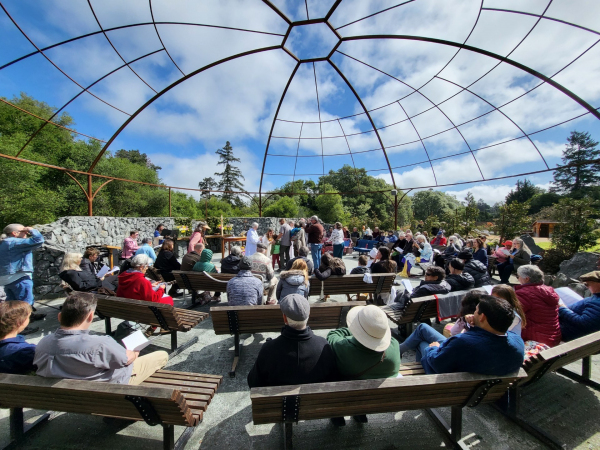
People from a wide variety of backgrounds have commented over the years that they feel something special on our land—that it feels sacred, holy, set apart. The land is soaked in prayer and song and community and clearly open and offered to our wider community. This sense of sacredness of the land we are blessed to steward has become more evident over the past 10 years as we have more intentionally invested in our care of the land.
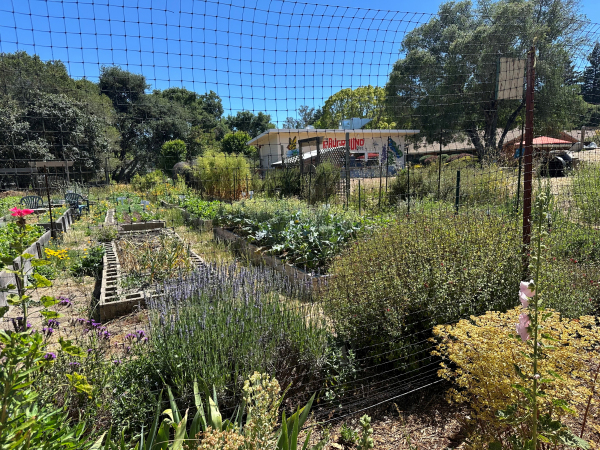
We were very fortunate to partner with Occidental Arts and Ecology (oaec.org) who brought numerous permaculture classes to our property over the years. First, they created a variety of permaculture plans for our property and then returned to help us make those plans a reality by planting and working on the land with us. From there, we developed a group of parishioners and folks who are not worshipping church members, our “Friends of the Garden”, who continue to care for the land each week. We have planted the property with a Food Forest to provide food for humans and animals alike and to help increase the biodiversity of the land. Our gardens are mostly native low-water plants. And our property has been utterly transformed in the past ten years.
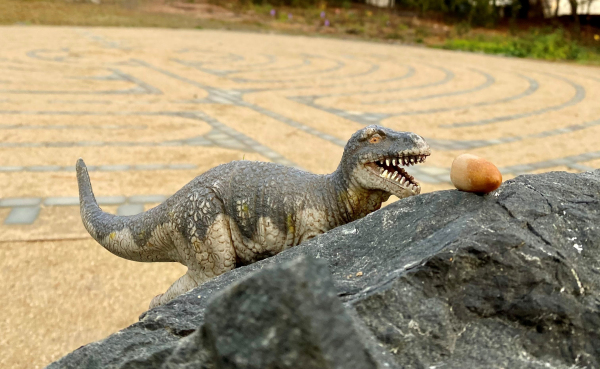
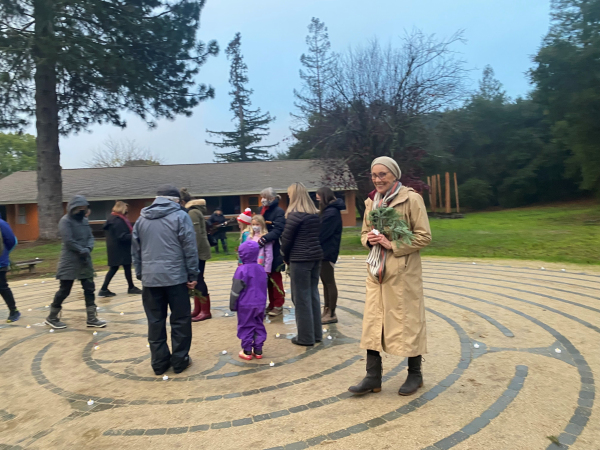
Creation Care takes many forms at St. Stephen’s: the inter-church food pantry that is open four days a week; our monthly meal for the food insecure and those who want to share a meal with others; our outdoor labyrinth; offering our land for the local seed garden and seed library; creating a food forest for habitat and food for mammals, insects and birds, as well as people; our work of going beyond land acknowledgment to delve into the history of the land and begin to have relationship with our local indigenous community; and now our newly opened Playground Café which creates space on our land for nourishment, play, deep conversation, and connection to our wider community.
The most important things that have come out of our Creation Care ministry are our relationship with the land and the relationship the greater community has with the land. Our area of Northern California is closely connected with the land and its bounty. Sebastopol is the home of the heirloom Gravenstein apple, now produces world class wines, and is full of small farms. Nearly all our public schools include gardening class. The Pacific Ocean is at our doorstep and the beautiful coastal redwoods are part of our ecosystem. Our environment, our land, and our produce are very much woven into the cultural identity of our area.
When folks set foot on the land of St. Stephen’s and see and feel the care and intention that has gone into the stewarding of this land, it often opens their eyes to ways of being church they do not expect. Our care of the land tells them a lot about who we are and it connects us to our larger community. Care of land is a shared value and by living this value, our church community is given the chance to visibly live our faith and find points of connection.
1. Spend time outside on the land at different times of day and throughout the seasons. Notice the movement of the sun across the land, the flow of water when it rains, and the movement of the wind. Listen to the sounds of the birds and the insects. Notice the animals that visit the land.
2. Learn about the history of the land. Who are the indigenous people that have tended this land in the past and what are they doing now? What happened on this land over time. All land has a story.
3. Have a core group of people that are willing to “hold the container” as the church explores how to move into real relationship with the land and how that relationship supports the community.
4. Find partners! It would have been very difficult for us to make the large changes on our land if we had not had the support of Occidental Arts and Ecology. Not only do partnerships provide practical assistance but they also create connection with larger community.
5. Consider opening your land to outside groups. Before we began to work on our land, we welcomed a community seed garden and seed library onto our property. They have been growing crops for seed and storing those seeds in one of our classrooms for nearly 15 years. Their seeds are available to our larger community and help our community to be more locally sustainable. Not only does this mean that our land is being used for the good of our wider community but it also creates relationship as they offer classes about seed saving and are a strong presence in our town.
6. Choose small(er) specific goals. You probably can’t do it all at once. Perhaps decide to focus on the goal of Zero Waste? You might inventory all of the church’s products that are used for coffee hour, dish washing and cleaning and figure out how to replace items with compostable substitutes and any toxic cleaners and non-recyclable products with eco/refillable/nontoxic/compostable products. Make sure there are clearly designated receptacles for trash, recycling and compost and label and teach about what goes where.
St. Stephen's Sebastopol, CA:
https://www.ststephenssebastopol.org/
https://www.facebook.com/ststephenssebastopol
The Playground Cafe:
https://www.theplaygroundsebastopol.org/
https://www.facebook.com/profile.php?id=61576677376197